 Collage: Paula Balondo; Source images: Courtesy of brandsSave this storySave this story
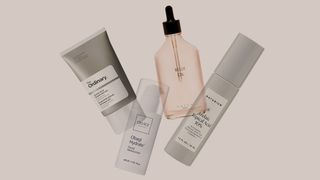
Having a baby brings plenty of changes, but finding the best pregnancy skin-care products doesn’t have to feel overwhelming. It’s about keeping things simple and knowing which ingredients to keep and which to skip. With hormonal changes like sensitivity, breakouts, or dryness, skin often benefits from gentler, more supportive formulas that focus on comfort, hydration, and protection. Think nourishing cleansers, mild exfoliants, straightforward moisturizers, and mineral sunscreens that protect without raising ingredient concerns.
For this list, we spoke with board-certified dermatologists who didn’t just recommend these products to patients; they also relied on many of them during their own pregnancies. Their guidance focused on smart swaps instead of sacrifice: avoiding known no-gos like retinoids and chemical sunscreens, prioritizing well-studied, pregnancy-safe ingredients (such as azelaic acid), and keeping routines realistic enough to stick with through every trimester.
The products ahead are reliable, supportive picks that help keep skin feeling comfortable, cared for, and well-protected throughout pregnancy, so you can feel good about what you’re using every step of the way. (P.S. Congrats! You’ve got this.)
Our top pregnancy skin-care products
- Best Face Wash: La Roche Posay Lipikar AP+ Gentle Foaming Cleansing Oil, $20
- Best Face Exfoliator: Dermalogica Daily Milkfoliant, $20
- Best Face Cream: Obagi Hydrate Facial Moisturizer, $65
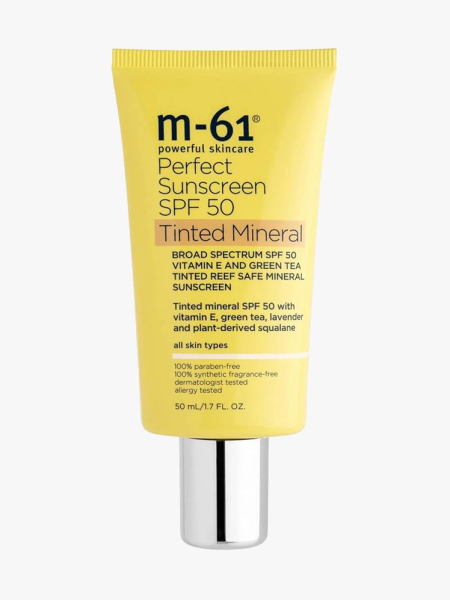
- Best Sunscreen: M-61 PerfectSunscreen SPF 50 Tinted Mineral, $48
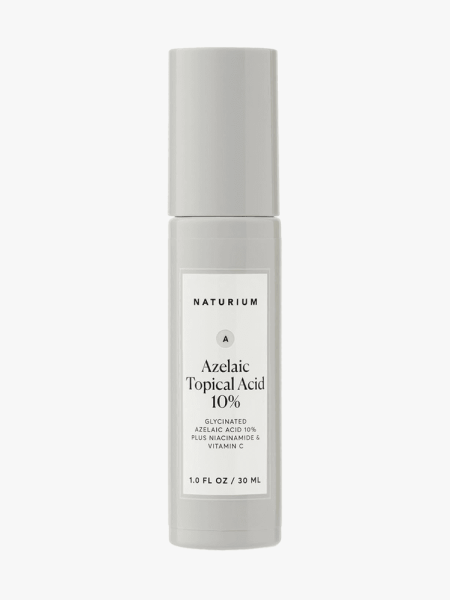
- Best for Hormonal Acne: Naturium Azelaic Topical Acid 10%, $20
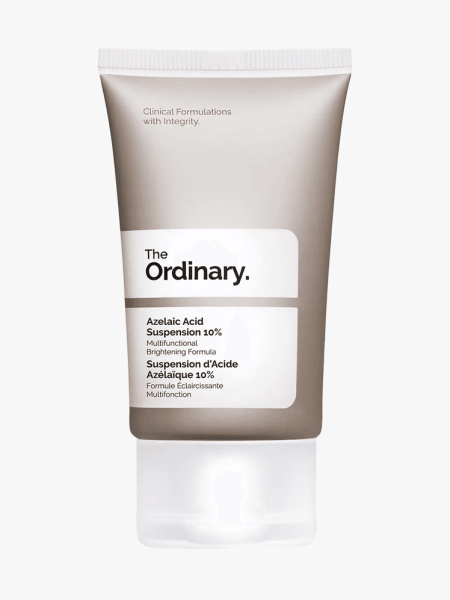
- Best for Pregnancy Melasma: The Ordinary Azelaic Acid Suspension 10%, $12
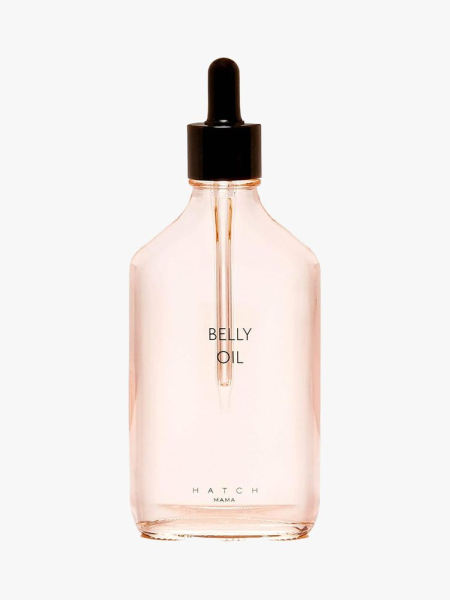
- Best for Stretch Marks: Hatch Belly Oil, $64
Frequently Asked Questions
- What are the skin-care ingredients to avoid during pregnancy and why?
- What's the best pregnancy-safe ingredient to treat acne?
- Meet the experts
- How we test and review products
- Our staff and testers
The essentials
Pregnancy skin care is less about overhauling your routine and more about choosing products that are gentle, dependable, and easy to stick with (especially when you already have plenty else on your mind). As hormones shift and sensitivity becomes part of the equation, a simple lineup—a mild cleanser, a low-key exfoliator like azelaic acid or enzymes, a no-frills moisturizer, and a mineral sunscreen with zinc oxide or titanium dioxide—covers the basics without introducing ingredients you’ll need to second-guess.
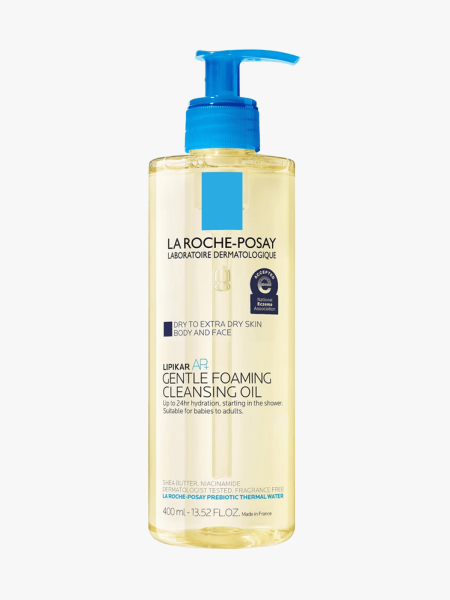
Best Face Wash: La Roche Posay Lipikar AP+ Gentle Foaming Cleansing Oil
 Save to wishlist
La Roche-Posay
Lipikar AP+ Gentle Foaming Cleansing Oil
Amazon
Dermstore
Ulta Beauty
Contributing commerce editor Deanna Pai applying the La Roche Posay Lipikar AP+ Gentle Foaming Cleansing Oil.
Deanna Pai
Why it's worth it: Derms will tell you to pick a cleanser based on your skin type, but if we had to narrow it down to one solid, no-notes option that works for most people, La Roche-Posay Lipikar AP+ Gentle Foaming Cleansing Oil earns its spot. It’s an oil-to-foam cleanser, which makes it especially clutch during pregnancy when hormones can swing skin from oily to dry. “The oil base does a great job lifting makeup, sunscreen, and grime, yet is still hydrating, which is good for the increased skin sensitivity many women experience during pregnancy,” says Aegean H. Chan, a double board-certified dermatologist in Santa Barbara, California. The cleanser is accepted by the National Eczema Association and is gentle enough for even the most sensitive, dry skin. It’s also safe for babies as young as two weeks old, so it’s not a fleeting pregnancy pick, but a cleanser you’ll keep coming back to postpartum.
Tester feedback from contributing commerce editor Deanna Pai
LargeChevron
"This oil-based cleanser has seen me through 30 weeks (and counting) of pregnancy. It’s been a godsend: It practically melts makeup, leaves my skin feeling soft, and importantly, hasn’t triggered any breakouts in my very acne-prone skin. It not only rinses away stubborn makeup and sunscreen with ease, but also has a really nice, satisfying lather. And it just works: Even when I've got a full-eye look, I never have to go back in to swipe away residue from my lashes." —Deanna Pai, contributing commerce editor
More to know
LargeChevron
- Key ingredients: La Roche-Posay prebiotic thermal water, niacinamide, shea butter, glycerin
- Fragrance-free: yes
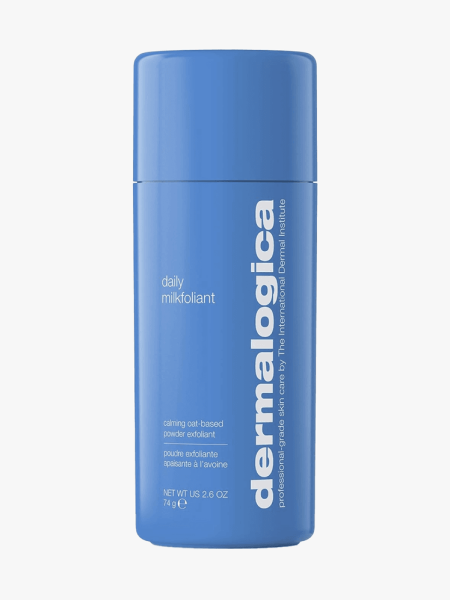
Best Face Exfoliator: Dermalogica Daily Milkfoliant
 Save to wishlist
Dermalogica
Daily Milkfoliant
Amazon
Dermstore
Ulta Beauty
Why it's worth it: Think of the 2022 Best of Beauty Award-winning Dermalogica Daily Milkfoliant as the softer, more soothing sibling of the brand’s iconic Daily Microfoliant. Instead of relying heavily on polishing agents, Daily Milkfoliant also layers in calming, cushiony ingredients like oat kernel protein and extracts, coconut fruit extract, hyaluronic acid, allantoin, and sunflower seed oil, which help soften and hydrate as you exfoliate. Ultrafine powders (like rice, corn, and tapioca starches), citric acid, plus papain enzyme gently loosen dead skin without that tight, over-scrubbed feeling. “If during pregnancy you’re noticing your skin feels more sensitive—which is common, thanks to hormonal shifts—this is a great option to gently slough off dull skin and reveal a brighter complexion without irritation,” says Dr. Chan. All it takes is a splash of water to activate the powder, which melts into a soft, creamy, milky lather.
More to know
LargeChevron
- Key ingredients: citric acid, hyaluronic acid, papaya enzymes, rice starch, kaolin, oat extract
- Fragrance-free: yes
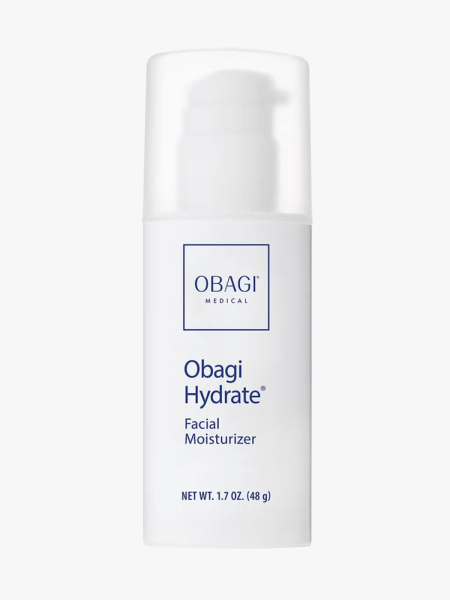
Best Face Moisturizer: Obagi Hydrate Facial Moisturizer
 Save to wishlist
Obagi
Hydrate Facial Moisturizer
Amazon
Dermstore
Bluemercury
Why it's worth it: Moisturizer during pregnancy is one of those categories that gets very personal, thanks to hormonal shifts that can suddenly leave skin drier, tighter, or just more reactive than usual. If you’re not trying to tackle specific concerns like acne or pigmentation and simply want hydration, Obagi Hydrate Facial Moisturizer is a reliable go-to. It’s “noncomedogenic and free of harsh active ingredients, which makes it a great daily option when skin is more sensitive or unpredictable during pregnancy,” says Jocelyn Gandelman, MD, a board-certified dermatologist in New York City. The lightweight cream relies on tara seed extract, which is clinically shown to improve moisture retention, along with shea butter and mango butter to soften and smooth without feeling heavy. The result is steady, long-lasting moisture that supports the skin barrier. There’s no tingling or overthinking, just comfortable, well-hydrated skin that behaves itself.
More to know
LargeChevron
- Key ingredients: tara seed extract, shea butter, mango butter
- Fragrance-free: yes
Best Sunscreen: M-61 Perfect Sunscreen SPF 50 Tinted Mineral
 Save to wishlist
M-61
Perfect Sunscreen SPF 50 Tinted Mineral
Amazon
Bluemercury
Why it's worth it: When it comes to sunscreen during pregnancy, formulas really matter, and M-61 PerfectSunscreen SPF 50 Tinted Mineral keeps things refreshingly simple for pregnant women. “It uses mineral UV filters (zinc oxide and titanium dioxide) instead of chemical ones, which is key because studies have shown that ingredients like oxybenzone can be absorbed into the bloodstream and are best to avoid during pregnancy,” says Dr. Gandelman, who’s also a fan of the brand’s complementary body sunscreen. The tinted formula is beneficial for face SPF. It helps offset the chalky cast mineral sunscreens can sometimes leave behind, while subtly evening out skin tone (especially helpful if pregnancy has brought on redness or melasma). “With soothing aloe and green tea extract, it checks the pregnancy-safe boxes,” says Dr. Gandelman, adding that it’s always a good idea to check with your physician if you have questions about whether a sunscreen is the right fit for you.
More to know
LargeChevron
- Key ingredients: 12% zinc oxide, green tea, lavender, squalane
- Fragrance-free: yes
The extras
Once you’ve nailed the basics, you can layer in a few targeted treatments if pregnancy brings new skin concerns into focus. Whether you’re addressing hormonal acne, melasma, uneven tone, or stretch marks, the key is choosing pregnancy-safe formulas that support your skin as it changes.
Best for Hormonal Acne: Naturium Azelaic Topical Acid 10%
 Save to wishlist
Naturium
Azelaic Topical Acid 10%
Amazon
Ulta Beauty
Why it's worth it: Though alpha-hydroxy acids and retinoids are often treated as the gold standards for acne, pregnancy changes the rules. “Systemic retinoids [like Accutane] have shown a risk of causing fetal abnormalities, and as a class we recommend avoiding them altogether during pregnancy,” says Dr. Chan. That doesn’t mean clearer skin is off the table. As an alternative, she points to azelaic acid, “naturally derived from yeast that lives on our skin, which offers gentle exfoliation, anti-inflammatory benefits, and helps keep pores clear, making it especially helpful for hormonal breakouts.” Naturium Azelaic Topical Acid 10% helps unclog pores and lift away the top layers of dull skin, which can be especially useful if pregnancy has triggered acne or discoloration. The lightweight formula layers smoothly, won’t pill, and includes pregnancy-friendly support like niacinamide, vitamin C, hyaluronic acid, and coffee seed extract to brighten, soothe, and hydrate without irritation, says Dr. Chan.
More to know
LargeChevron
- Key ingredients: 10% glycinated azelaic acid complex, along with niacinamide, vitamin C, coffee seed extract
- Fragrance-free: yes
Best for Pregnancy Melasma: The Ordinary Azelaic Acid Suspension 10%
 Save to wishlist
The Ordinary
Azelaic Acid Suspension 10%
Amazon
Nordstrom
Ulta Beauty
Why it's worth it: Especially if you don’t deal with melasma outside of pregnancy, The Ordinary Azelaic Acid Suspension 10% is a budget-friendly option that doesn’t feel overly precious to buy for a shorter window of time. Azelaic acid is well known for helping with acne, but it’s also a go-to, pregnancy-safe choice for managing melasma, hyperpigmentation, and dark spots, thanks to its anti-inflammatory and brightening benefits. “Many azelaic formulas are combined with other actives, but this one has very minimal additional active ingredients,” says Dr. Gandelman. The silicone-based formula (with soothing helpers like vitamin E) spreads evenly and won’t sting sensitive skin. “I found it very easy to layer under morning sunscreen,” she says.
More to know
LargeChevron
- Key ingredients: 10% azelaic acid, dimethicone, vitamin E
- Fragrance-free: yes
Best for Stretch Marks: Hatch Belly Oil
 Save to wishlist
Hatch
Belly Oil
Amazon
Nordstrom
Ulta Beauty
Why it's worth it: Hatch Belly Oil, once famous for its 1,000-person waitlist, is a pregnancy skin-care favorite for its ability to deeply moisturize stretching skin and keep it feeling supple and comfortable as your bump grows. Stretch marks form when skin expands quickly, and pregnancy hormones affect collagen and elasticity, making consistent, nourishing moisture especially important. This lightweight oil leans on calendula to soothe irritation, sweet almond oil to deliver vitamin E-rich hydration that supports skin regeneration, and grapefruit oil for antioxidant benefits and a soft, citrusy scent. “It’s a pampering, luxury belly oil that smells delicious and truly feels like a treat,” says Dr. Gandelman. She notes that those with nut allergies should avoid it, but overall, it’s thoughtfully formulated with pregnancy-safe ingredients.
More to know
LargeChevron
- Key ingredients: sweet almond oil, vitamin E, rosemary, calendula
- Fragrance-free: yes
Frequently asked questions:
What are the skin-care ingredients to avoid during pregnancy and why?
During pregnancy, it’s important to take a closer look at skin-care ingredients, since some commonly used actives aren’t recommended. “One of the most important things to avoid is retinoids and retinols, as this class of vitamin A derivatives has been linked to fetal abnormalities,” says Dr. Gandelman. She also recommends steering clear of chemical-based sunscreens, including ingredients like oxybenzone and octinoxate, and opting instead for mineral formulas with zinc oxide and titanium dioxide, which sit on top of the skin rather than being absorbed. Derms also advise skipping hydroquinone, a strong skin-lightening ingredient that’s absorbed into the bloodstream more than many other topicals and doesn’t have enough safety data to make it a comfortable choice during pregnancy.
Alpha-hydroxy acids and beta-hydroxy acids sit in a bit of a gray area during pregnancy; it’s less about a hard no and more about type, strength, and frequency. Most dermatologists recommend avoiding BHAs like salicylic acid in higher concentrations, especially oral forms, because they’re chemically related to aspirin. Low-strength, rinse-off products are often considered low risk, but just to be cautious, many doctors suggest skipping leave-on BHA treatments. AHAs (such as glycolic and lactic acid) are generally considered safer at low concentrations, but pregnancy can make skin more sensitive, increasing the risk of irritation or overexfoliation. For that reason, derms often advise dialing back strong acids altogether and opting for gentler alternatives—like azelaic acid, which offers mild exfoliation, anti-inflammatory benefits, and is widely considered pregnancy-safe.
A good starting point when building a new routine is to review all active ingredients, including topicals and medications, and, when in doubt, run your products by your ob-gyn and/or dermatologist, says Dr. Gandelman.
What's the best pregnancy-safe ingredient to treat acne?
When it comes to pregnancy-safe skin care for acne, dermatologists tend to favor gentler, well-studied options. “For over-the-counter products, my favorite pregnancy-safe ingredient is 10% azelaic acid applied daily, ” says Dr. Gandelman, noting that it helps calm inflammation, unclog pores, and improve tone without the risks associated with retinoids. If your acne doesn’t respond, she says 2% (or weaker) salicylic acid, benzoyl peroxide (4% or weaker), or glycolic acid under 10% can be used as short-contact washes, though concentration is key. These ingredients appear on the American College of Obstetricians and Gynecologists’ list of pregnancy-safe options but are slightly more controversial, so check with your ob-gyn first. For prescription options, Dr. Gandelman often turns to azelaic acid 15% gel or clindamycin lotion and suggests seeing a board-certified dermatologist to figure out the best next step.
Meet the experts
- Aegean H. Chan, a double board-certified dermatologist and medical director of California Dermatology Group based in Santa Barbara, CA
- Jocelyn Gandelman, MD, a board-certified dermatologist at Schweiger Dermatology Group based in New York City
How we test and review products
When Allure tests a product, our editors look at it from every angle in an effort to best serve you. We review ingredients, scrutinize brand claims, and, when necessary, examine peer-reviewed scientific and medical studies. In addition to testing each and every product that's included in each and every review, we rely on experts who shape their fields, including dermatology, cosmetic chemistry, and medicine, to help us vet the ingredients and formulas.
For our list of the best pregnancy skin care products, we considered performance across five primary categories: ingredients and efficacy, packaging, fragrance, texture, and wear. Every product was determined to have excelled in each category by our editorial team of in-house writers and editors, as well as contributors, along with special consideration from dermatologists. To learn more about our reporting and testing processes, read our complete reviews process and methodology page.
Our staff and testers
A beauty product is a personal purchase. You might be searching for a face cream to address persistent dryness or a new nail product to add to your Sunday self-care routine, or you may simply be browsing around for the latest launches to hit the hair market. No matter what you seek or your individual needs and concerns, Allure wants to ensure that you love anything we recommend in our stories. We believe that having a diverse team of writers and editors—in addition to the wide range of outside testers and industry experts we regularly call upon—is essential to reaching that goal.
After all, can we really say a skin-care product is the "best" for people over 50 if the only testers we've solicited opinions from are folks who have yet to hit 30? Can we honestly deem a high-end diffuser worthy of your hard-earned cash if it's never been tested on curls? We're proud that our staff spans a wide range of ages, skin tones, hair textures, genders, and backgrounds, which means that we are able to fairly assess any beauty product that comes into the beauty closet.
Leave a Reply